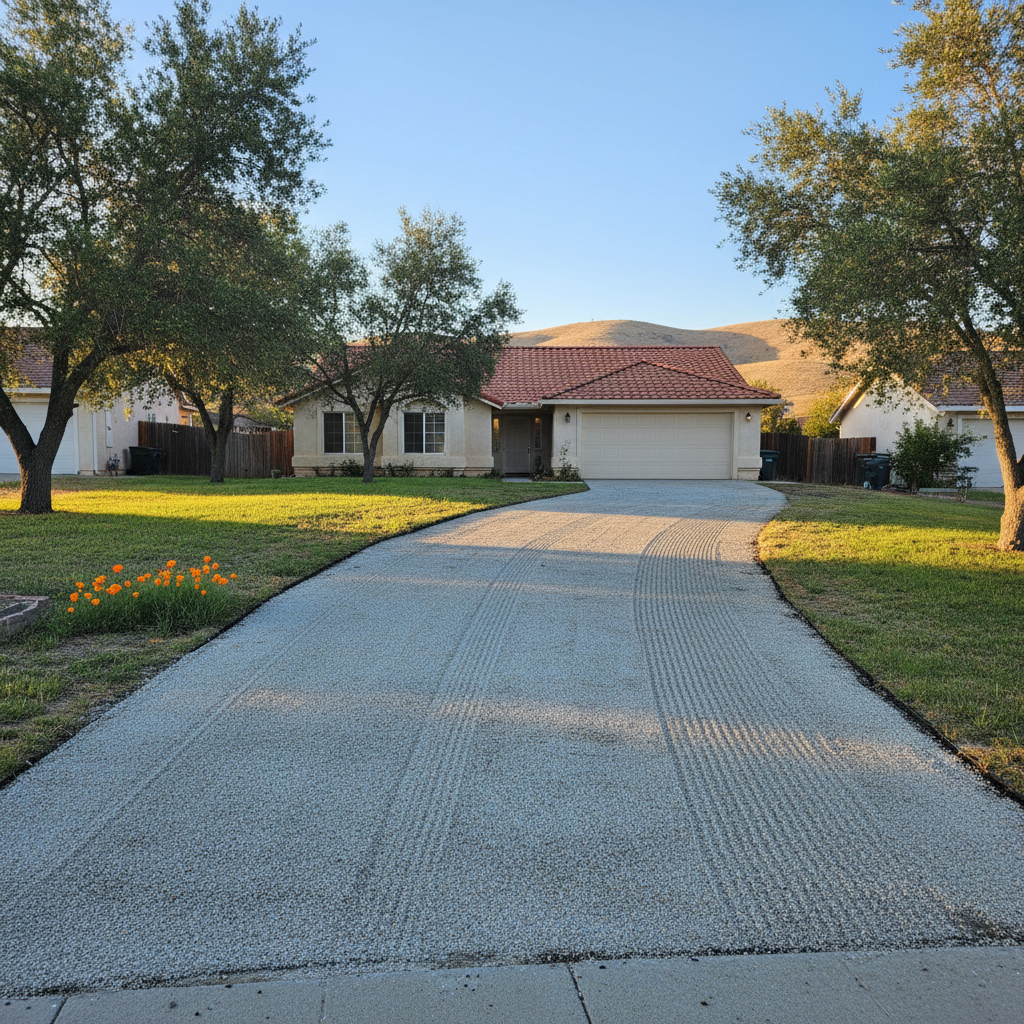
Ever wonder why some asphalt jobs last forever and others seem to fall apart too fast? A lot of it comes down to timing, especially when we're talking about milling here in Kingsburg. I've seen firsthand how our Central Valley climate can make or break a project, and milling is no exception. Getting this part right means your new surface will last longer, plain and simple.
What's Milling, Anyway?
Before we dive into the 'when,' let's quickly cover the 'what.' Asphalt milling, or cold planing, is basically when we remove the top layer of your existing asphalt. We use specialized equipment to grind it down to a specific depth, leaving a rough surface that's perfect for a new layer of asphalt to bond to. It's not a full tear-out, which saves you time and money, but it gives you a fresh start without changing your driveway's elevation too much.
The Kingsburg Climate & Your Asphalt
Our weather here in Kingsburg is pretty unique, and it dictates a lot of what we do in this business. We get those scorching hot summers and then, boom, we're into chilly, often damp winters. This extreme temperature swing is tough on asphalt. Heat makes it expand, cold makes it contract, and over time, that leads to cracks and deterioration. Milling helps us deal with that wear and tear effectively.
When's the Best Time to Schedule Milling?
Honestly, the sweet spot for asphalt milling around here is usually spring or fall. Here's why:
- Spring (March to May): The ground has had a chance to dry out from winter rains, and temperatures are consistently warm but not scorching. This allows for good adhesion of the new asphalt layer and proper curing. You don't want to mill on saturated ground; it just creates problems down the line.
- Fall (September to November): Similar to spring, the intense summer heat has passed, but we're usually still clear of the heavy winter rains. The ground is dry, and the moderate temperatures are ideal for laying down new material.
What you want to avoid is the peak of summer or the dead of winter. Laying asphalt in 100+ degree heat, like we often see in July and August, can lead to issues with compaction and premature cracking because the material cools too quickly or unevenly. And trying to mill or pave in freezing temperatures or heavy rain? That's just asking for trouble. The material won't bond right, and you'll be looking at repairs sooner than you'd like.
Weather Conditions That Affect the Work
When I'm scheduling a milling job for Kingsburg Diamond Asphalt, I'm always checking the forecast. Here's what we're looking for:
- Dry Conditions: This is non-negotiable. We need dry asphalt to mill properly, and we need a dry base for the new asphalt to adhere. Moisture trapped underneath can lead to potholes and premature failure.
- Moderate Temperatures: As I said, not too hot, not too cold. Somewhere between 50 and 85 degrees Fahrenheit is generally ideal for both milling and the subsequent paving.
- Low Wind: Strong winds can carry dust and debris, which isn't great for the job site, but more importantly, it can affect how quickly the new asphalt cools and cures.
Sometimes, we'll get a stretch of unseasonably warm, dry weather in winter, or a cooler, drier spell in summer. If those conditions line up, we can sometimes make it work. But generally, sticking to spring and fall gives you the best chance for a successful, long-lasting job.
Protecting Your Investment Year-Round
Once you've had your asphalt milled and a new layer put down, you've made a significant investment. You want it to last, right? Here are a few things you can do:
- Sealcoating: This is your first line of defense. A good sealcoat every 2-3 years protects against UV rays, water penetration, and chemical spills. It's like sunscreen for your driveway.
- Prompt Repairs: Don't let small cracks turn into big potholes. If you see a crack, get it filled. Water is asphalt's worst enemy, and it'll find its way in.
- Drainage: Make sure water drains away from your asphalt, not onto it or pooling on it. Proper grading and drainage are crucial, especially with our occasional heavy downpours that can saturate the ground around your driveway.
- Keep it Clean: Sweep off debris, oil, and chemicals. These can break down the asphalt binder over time.
Choosing the right time for milling and then taking care of your asphalt afterward makes all the difference. It's not just about getting the job done; it's about getting it done right so you don't have to think about it again for a long, long time. If you're thinking about milling your driveway or parking lot, give us a call at Kingsburg Diamond Asphalt. We'll take a look and give you an honest opinion on the best approach and timing for your specific property.