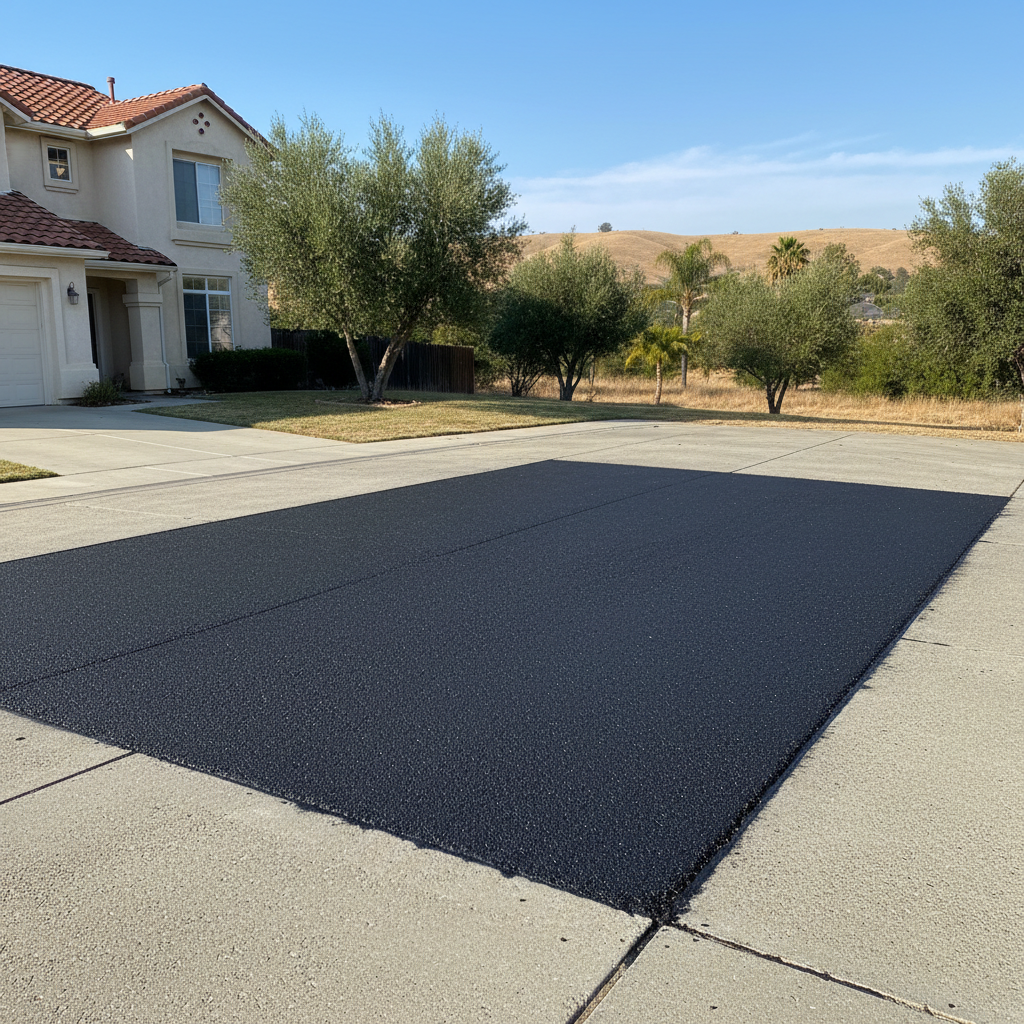
You've got a pothole, maybe some cracks, or an area of your asphalt that's just falling apart. It's not just ugly, though that's part of it. More importantly, it's a real hazard. Water sneaks in there, works its way down, and before you know it, a small problem turns into a huge, expensive mess. So, you decide it's time to patch it up. Smart move! But I've seen a few things go wrong, over and over again, with homeowners here in Kingsburg when they're trying to fix or hire someone for asphalt patching jobs.
Ignoring Why the Damage Happened in the First Place
This is probably the biggest mistake people make. You see a pothole, you fill it. Problem solved, right? Not always. A pothole or that 'alligator cracking' isn't just a surface thing; it often points to something deeper. If your sub-base — that's the material under the asphalt — is weak or doesn't drain well, your patch won't last. It's kind of like putting a band-aid on a broken leg. You might cover it up, but the real issue will just make the damage come back, usually worse than before.
Especially here in Kingsburg, where we have clay-heavy soils in certain spots, getting the base ready the right way is super important. If water just sits under your asphalt because of bad grading or a compromised base, that patch is toast. A good contractor, like us at Kingsburg Diamond Asphalt, will always figure out the root cause. We'll look for drainage problems or signs of base failure before we even think about putting down new asphalt. If they don't do that, well, that's a red flag.
Picking the Wrong Patching Method or Material
Not all patches are the same, and neither are the materials used. There's 'throw-and-roll,' semi-permanent, and full-depth patching. 'Throw-and-roll' is basically a temporary fix, often for emergencies or when it's cold out. It's not built to last. Semi-permanent patches mean cleaning and cutting the area, then filling and compacting it. Full-depth is the toughest option; you dig out the whole damaged section, fix the base, and then lay down fresh asphalt.
Homeowners sometimes just go for the cheapest, quickest fix without really understanding what it can and can't do. If your damage is pretty bad, a quick cold patch might seem appealing because it costs less, but it won't hold up long. You'll be patching again in a year or two, which means spending more money eventually. Also, using cheap asphalt or sealants, or the wrong kind of mix for our climate, is a common pitfall. Our Central Valley summers are brutal, you know? That intense heat can really beat up pavement. You need materials that can stand up to those conditions.
Not Getting the Area Ready Properly
This ties right into ignoring the root cause. Before any patch goes down, the spot needs to be clean and clear of junk. You have to cut out the damaged section with clean, straight edges, going a bit beyond any existing cracks. If you just dump new asphalt on top of loose gravel, dirt, or old, crumbling asphalt, it won't stick right. Water will find its way in, and the patch will fail quickly. I've seen patches that look good for a week, then start to crumble because someone didn't prep the surface correctly.
Skimping on Compaction
Compaction is a huge deal, and people often rush or overlook it. When you put down new asphalt, whether it's a patch or a whole new driveway, it needs to be thoroughly compacted. That means using the right equipment and making enough passes. If it's not compacted properly, you'll get air pockets, which let water in, weaken the structure, and lead to raveling – that's when the little stones start coming loose. A poorly compacted patch will sink, crack, and fail way too soon. You can't just drive over it a few times and call it good; it needs proper compaction to create a strong, durable surface.
Applying Patches in Bad Weather
This is a big one for our area, especially if you're trying to do it yourself. Asphalt needs certain temperatures to stick and cure correctly. Putting down a patch when it's cold means it won't bond well, and it's more likely to fail. On the flip side, extreme heat can also make it hard to work with. You really want to avoid patching when it's too cold, too hot, or if rain is coming. The best results happen when you work in the right conditions, which usually means moderate, dry weather. Trying to rush a patch because you want it done now, no matter the weather, is just asking for trouble.
Not Giving It Enough Time to Cure Before Traffic or Sealcoating
Once a patch is in place, it needs time to set. If you drive on it too soon, or sealcoat it right away, you're looking for trouble. Sealcoating too early, for example, can stop the patch from curing properly, leading to failure. Give it at least 24 hours before sealing, and make sure it's fully set before heavy traffic. Patience really is a virtue when it comes to asphalt work, isn't it?
Hiring Just Anyone Without Asking the Right Questions
Look, I get it. You want the best price. But picking the lowest bidder without checking their experience, how they do things, and if they understand local conditions is a gamble. Ask them about their process: how do they get the surface ready? What kind of materials do they use? Do they compact properly? Do they understand Kingsburg's specific soil conditions and weather challenges? A good contractor will be happy to explain their approach and give you a clear, detailed estimate. Don't be shy about asking for references or examples of their work. Your asphalt is an investment, and you want it done right the first time.
Avoiding these common mistakes will save you money, time, and a lot of headaches. A good asphalt patch isn't just about filling a hole; it's about making a lasting repair that protects your property. Do your homework, ask the tough questions, and make sure the job gets done right.