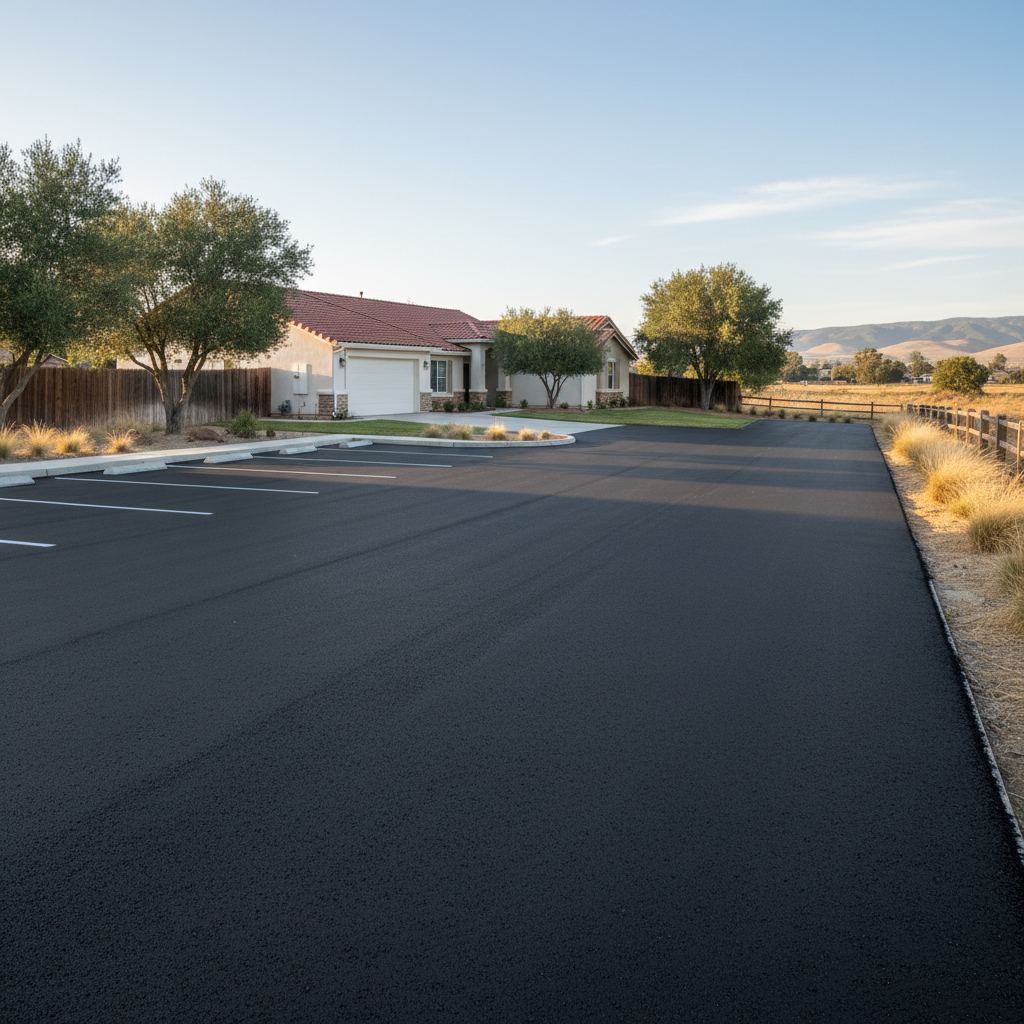
Alright, let's talk parking lots. You'd think it's straightforward, right? Just lay down some asphalt, stripe it, and you're done. But I've seen enough projects go sideways over the years to tell you it's not always that simple. Especially here in Kingsburg, where our hot summers and those occasional heavy rains can really put a new surface to the test. If you're a homeowner, maybe managing an HOA, or a business owner looking to pave or repave a parking area, there are some common traps you'll want to steer clear of. Trust me, avoiding these will save you a lot of headaches — and money — down the road.
Mistake #1: Focusing Only on the Lowest Bid
This is probably the biggest one, a real classic. Everyone wants a good deal, I get that. But when it comes to asphalt paving, the cheapest bid is almost never the best bid. Think about it: if one contractor is significantly lower than everyone else, they're cutting corners somewhere. Maybe they're using less material, thinner layers, cheaper aggregate, or they're not doing the proper sub-base prep. Heck, maybe they're not even licensed or insured properly. Here's what happens: you get a cheap job, and a few years later — or even sooner — you're seeing cracks, potholes, and drainage issues. Then you're paying again to fix or redo it. It's a false economy, pure and simple. Always ask for detailed quotes, compare what each contractor is actually proposing to do, and don't be afraid to ask why one bid is so much lower or higher than the others.
Mistake #2: Skipping Proper Site Preparation
This goes hand-in-hand with the low bid issue. The foundation of any good parking lot isn't the asphalt itself; it's what's underneath. If the sub-base isn't properly graded, compacted, and stable, your asphalt just won't last. I've seen folks try to pave right over old, cracked concrete or uneven dirt, thinking the new asphalt will just magically smooth everything out. It won't. Instead, it'll mirror those imperfections, and you'll get premature cracking and settling. Especially with our clay-heavy soils in some parts of Kingsburg, proper compaction and drainage are absolutely critical. A good contractor, like us at Kingsburg Diamond Asphalt, will spend time on the site prep, making sure the ground is stable and sloped correctly for water runoff. If a contractor rushes through this part or doesn't even mention it? That's a huge red flag.
Mistake #3: Not Understanding Drainage Needs
Water is asphalt's worst enemy. If water sits on your parking lot, it's going to seep into cracks, expand when it freezes (though we don't get much of that here, it still happens in winter), and erode the sub-base. Good drainage isn't just about a few catch basins; it's about the subtle slopes and grades across the entire surface that direct water away from the paved area and into appropriate drainage systems. I've seen parking lots that were perfectly flat, or worse, sloped towards buildings. You end up with standing water, puddles, and eventually, a crumbling lot. Make sure your contractor has a clear plan for drainage and can explain how they'll achieve it. Don't just assume it'll be fine — because it probably won't.
Mistake #4: Ignoring Local Regulations and Permits
This one can really get you into trouble with the city. Depending on the size and scope of your parking lot project, you might need permits from the City of Kingsburg. There could be specific requirements for stormwater management, ADA compliance (accessibility ramps and parking spaces), setbacks, or even materials. Some folks try to bypass this, thinking it's just extra paperwork. But if you get caught, you could face fines, stop-work orders, or even be forced to rip out and redo work. A reputable contractor will be familiar with local codes and help you navigate the permitting process. If they tell you,