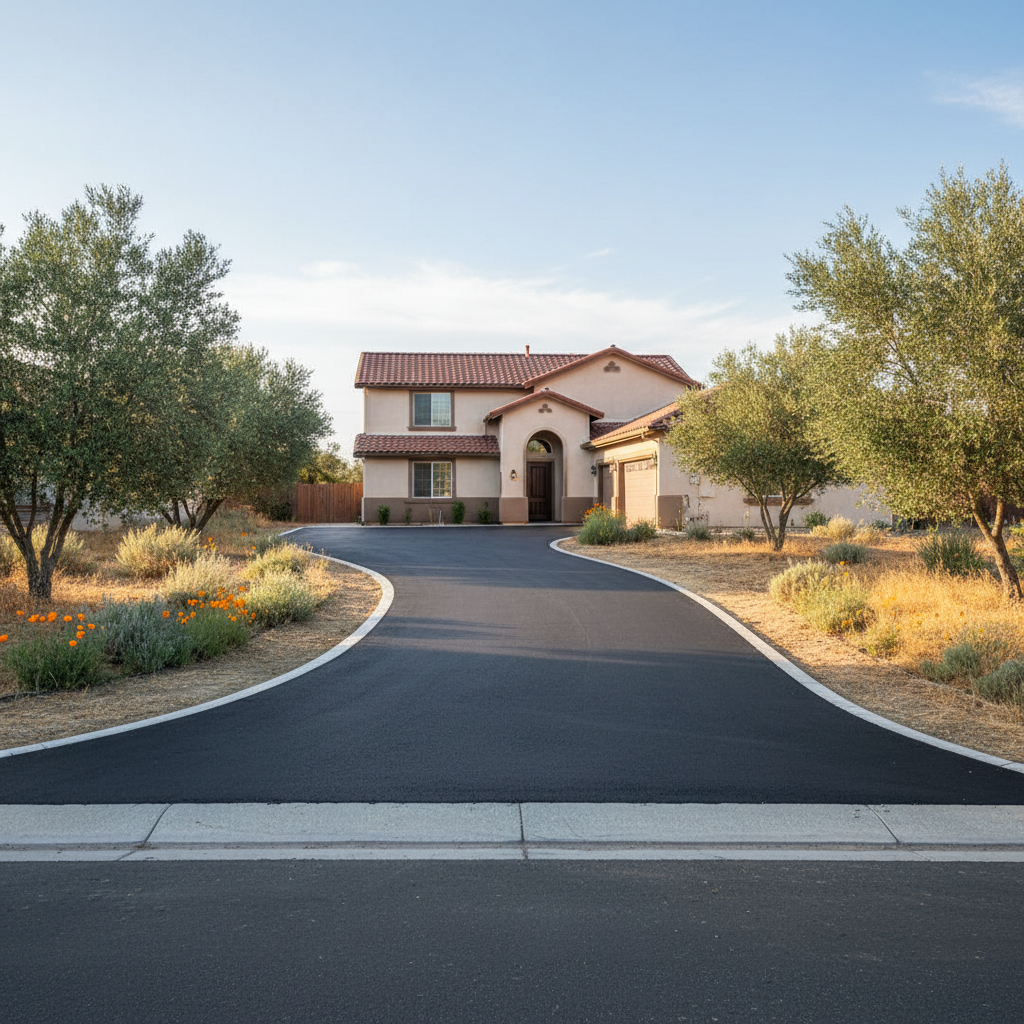
Alright, so you're thinking about sprucing up your Kingsburg place with some new asphalt. Maybe it's a fresh driveway, or maybe another paved spot around your property. That's a solid investment, but like any big home project, it really needs some careful planning to make sure everything goes off without a hitch. Nobody likes surprises, right? I've been doing this for a long time here in the Central Valley, and believe me, I've seen it all. Let's chat about what you need to know to get your residential asphalt project done right.
Figuring Out Your Project Timeline
One of the first things homeowners always ask me is, "How long will this actually take?" Totally fair question. The actual paving part? That can actually go by pretty fast. For a typical driveway at home, the main work often wraps up in just 1 to 3 days. But that's just the physical laying of the asphalt, you know? The whole process, from your very first phone call to finally driving on it regularly, takes a little longer.
- First Chat & Quote: This is when we come out, check out your property, talk about what you're hoping for, and give you an estimate. This part can take anywhere from a few days to a week, depending on how our schedules line up.
- Booking the Work: Once you give us the green light on the quote, we'll get you penciled into our schedule. Depending on how busy we are and the time of year, this might be a few weeks out. Remember, we're working around Kingsburg's hot summers and those occasional winter freezes, so timing can be super important. Spring and fall are often perfect for paving because the mild weather really helps the asphalt cure just right.
- Permits (If You Need 'Em): Some of the bigger jobs might need permits from the Kingsburg Planning Department. Your contractor should help you figure this out, but it can definitely add a few weeks to the overall timeline.
- The Paving Itself: Like I said, 1 to 3 days for most residential jobs. Quick, huh?
- Curing Time: This is a big one! You can usually walk on it or drive light vehicles on it within 24-48 hours. But for it to really harden up and be ready for regular, heavy use without getting ruts or indentations, you'll want to wait about a month. And seriously, don't make sharp turns with your tires in one spot during this time.
What Happens During the Process
When the crew from Kingsburg Diamond Asphalt shows up, you'll see a pretty organized approach. We don't just dump asphalt and call it a day; a lot goes into making a surface that really lasts.
- Checking Things Out & Planning: Even before our crew arrives, we've already done our homework. We've checked out your soil, thought about drainage, and considered what kind of traffic your new surface will handle.
- Tearing Out the Old (if needed): If you've got an old, cracked driveway, the first step is to break it up and haul it away. This means big machines like bobcats and dump trucks.
- Grading and Prepping the Base: This is probably the most crucial part, even if it's not the prettiest. We'll dig out and grade the ground to make sure it slopes correctly for drainage. Poor drainage is asphalt's worst enemy, especially with our occasional heavy rains here in Kingsburg. Then, we put down and compact a layer of crushed aggregate. This base is the backbone of your new asphalt; it supports the load and helps stop cracks. We might even do a 'proof roll' where a heavy truck drives over it to find any soft spots that need more work.
- Putting Down the Asphalt: We bring in hot asphalt mix and spread it evenly using special equipment. It gets laid while it's hot and then compacted with roller trucks to create a smooth, dense surface. This step moves pretty fast because we need to work the asphalt while it's still hot.
- Final Roll and Check: After the asphalt is down, it gets one last roll to make sure it's perfectly smooth and compacted. Then we do a final inspection to ensure everything meets our standards.
How You Can Get Your Property Ready
You can really help the project go smoother and faster by doing a little prep yourself:
- Clear the Area: Move all vehicles, trailers, basketball hoops, planters, and anything else off the driveway and away from where we'll be working. Our crew needs plenty of room to move equipment around.
- Mark Utilities and Delicate Stuff: If we're doing any digging, call 811 a few days beforehand to get those underground utilities marked. Also, please point out and mark things like sprinkler heads, drain covers, or landscape lighting near the work area so we can protect them.
- Make Sure We Can Get In: Double-check that there's a clear path for our trucks and equipment to reach the work area. If your driveway is behind a gate, let us know ahead of time.
- Tell the Neighbors: It's a nice gesture to give your neighbors a heads-up about the work schedule. There will be some noise, and possibly temporary parking restrictions.
- Plan for Pets and Kids: A construction site isn't a playground, plain and simple. Keep children and pets safely away from the work area while we're on the job.
Questions to Ask Before You Sign Anything
Before you commit, you absolutely have to ask the right questions. This isn't just about getting the cheapest bid; it's about getting a quality job that actually lasts.
- Are you licensed and insured? This isn't optional. Ask to see current copies of their liability and worker's compensation insurance. You really want to be protected if something goes wrong, don't you?
- Can you explain how you handle the sub-base and drainage? A lot of asphalt problems start with a bad base. You need to know they aren't just paving over existing issues. Ask how they'll check your current base and make sure water drains away from your home properly.
- What kind of asphalt mix will you use, and how thick will it be once compacted? Not all asphalt is the same, you know. For a residential driveway, you're usually looking for a compacted thickness of 2-3 inches, maybe more for a full replacement. Make sure they're talking about compacted thickness, not just loose material.
- What's the payment schedule like? Be super careful if anyone asks for 100% upfront. A small deposit is pretty standard, with payments tied to project milestones or when the job is done.
- Do you offer a warranty, and what does it cover? A good contractor will stand behind their work. Ask for a clear, written warranty that explains what's covered (like serious cracking or potholes) and for how long.
- Can you give me references or show me other similar work you've done in Kingsburg? Seeing their work firsthand or talking to past clients can really boost your confidence.
- What's actually included in the estimate? Make sure the estimate is detailed and covers absolutely everything: demolition, hauling, base prep, the asphalt itself, and cleanup. You definitely don't want hidden fees popping up later.
Getting a new asphalt surface is a big deal, and it really adds value and curb appeal to your home. By understanding the process, getting your property ready, and asking the right questions, you'll be well on your way to a smooth, durable surface that you'll enjoy for years. We at Kingsburg Diamond Asphalt are always here to help you through these projects.